Want a flawless, streak-free sunless glow? Discover the actual science behind professional spray tanning, how to choose your DHA percentage, and the critical rules for pre-tan prep and aftercare.
Professional spray tanning has evolved far beyond the unnatural, orange-tinted formulas of the past. Today’s advanced sunless solutions utilize customized chemical bases, hydrating botanicals, and precision HVLP (High Volume, Low Pressure) turbine systems to deliver an uncompromised, sun-kissed look in under fifteen minutes.
However, achieving a completely seamless, natural-looking spray tan is a cooperative effort. While a salon technician or automated booth handles the technical application, your skin chemistry, pre-appointment preparation, and daily maintenance dictate whether your color looks flawless or patchy. This guide reveals everything you need to know to get maximum longevity out of your sunless tan.
The Science of Sunless: How DHA Works
Unlike traditional UV tanning beds that stimulate biological melanin production, spray tanning is entirely superficial. The active ingredient in virtually all sunless solutions is DHA (Dihydroxyacetone), a simple colorless sugar derivative.
When misted onto your body, the DHA molecules bind to the amino acids located exclusively in the stratum corneum—the dead, outermost layer of your epidermis. This chemical interaction is known scientifically as the Maillard Reaction (similar to how a crust of bread turns golden-brown when baking). Because it only affects dead skin cells, your spray tan will naturally fade away as your body sheds those cells over a standard 5 to 9 day cycle.
📋 The Golden Rules of Pre-Tan Preparation
A flawless sunless tan is 80% preparation. If you spray over uneven, dry, or oily skin, your tan will develop patches or wash away prematurely. Follow this timeline:
- 24 Hours Before: Perform all hair removal (shaving or waxing) and deeply exfoliate your entire body using a non-oil-based pumice or exfoliating mitt. This clears away loose skin cells so the DHA can bind to a uniform surface.
- The Day of Your Session: Rinse off in a warm shower. Do not apply body lotions, perfumes, deodorants, or makeup. Deodorants and heavy face creams create a physical chemical barrier that reacts with DHA, often turning your underarms or face a strange green hue.
- What to Wear: Bring loose-fitting, dark sweatpants and a baggy t-shirt. Avoid tight leggings, bras, or denim, as the friction will instantly scrape away the fresh, developing solution.
Understanding Percentages and Solution Varieties
When getting a professional airbrush tan, your technician will evaluate your natural skin type and select a specific formula intensity:
- Low DHA (5% - 8%): Ideal for very fair, pale skin tones (Fitzpatrick Skin Type I and II). It provides a subtle, healthy glow without over-saturation.
- Medium DHA (9% - 12%): The standard industry sweet-spot. Perfect for average skin tones looking for a deep, noticeable, sun-kissed weekend bronze.
- Rapid Development Solutions: Traditional formulas require 8 to 12 hours of dry curing time before you can shower. Rapid solutions use accelerated absorption pathways, allowing you to rinse off the initial guide bronzer in as little as 1 to 4 hours while the underlying clear DHA continues to darken over the next day.
Aftercare: Protecting Your Investment
Once you step out of the booth, the development phase begins. Protect your color with these strict rules:
The First Warm Rinse
When it is time for your initial rinse, step into the shower with lukewarm water only. Do not use bar soaps, body washes, or loofahs. You will see a massive amount of brown color wash down the drain—don't panic. This is merely the temporary cosmetic guide bronzer. Gently pat your skin dry with a soft towel; never rub.
Hydration is Key
Starting on day two, moisturize your skin twice a day using a mineral-oil-free lotion. Avoid skincare products containing Alpha Hydroxy Acids (AHAs), Retinols, or heavy alcohols, as these ingredients act as chemical exfoliants and will strip your color away in patches.
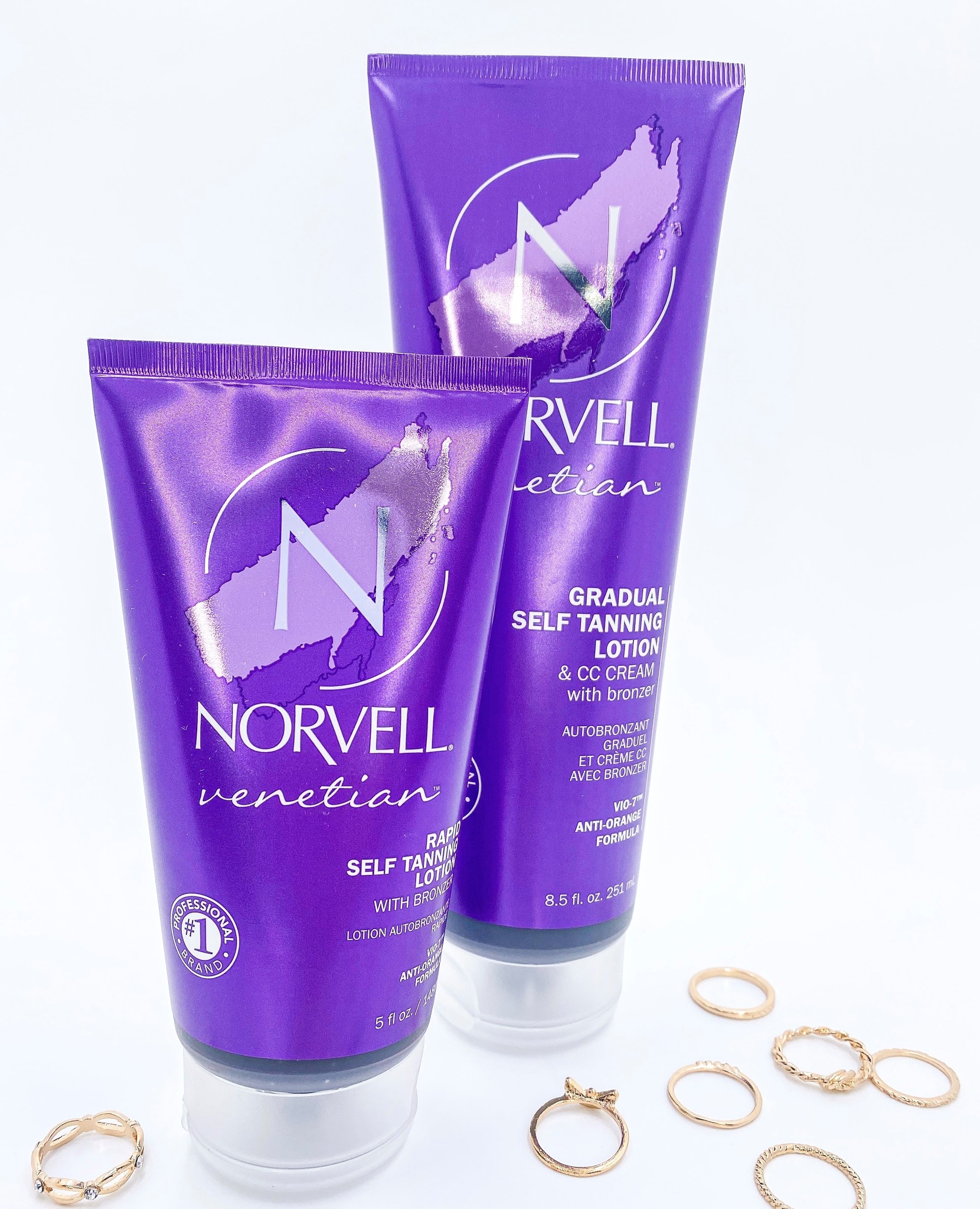 Airbrush spray tanning involves the guided application of a DHA formulated solution to a persons skin. The advantages of using the airbrush machine versus the automated spray booths is that a good technician can contour the quantity of spray solution used in each area to enhance or cover body features. Additionally the spray tan technician can apply a solution that provides different levels of immediate and lasting tan.